Best Way to Store Rice During Monsoon: 7 Tips to Prevent Moisture and Rice Insects

During the monsoon season, storing rice properly is important to protect it from moisture, insects, and bad odour. The best way to store rice at home is to keep it in an airtight container, protect it from humidity, and store it in a cool and dry place. These simple rice storage tips can help maintain the freshness, taste, and aroma of rice for a long time.
Whether you use Miniket Rice, Jeerakathi Rice, or premium Gobindobhog Rice, proper storage plays an important role in maintaining rice quality during the rainy season.
7 Rice Storage Tips During Monsoon Season
1. Store Rice in an Airtight Container
One of the best ways to keep rice fresh is storing it in an airtight container. Open bags can absorb moisture from the air during monsoon, which increases the chances of insects and spoilage.
Always use a clean and completely dry container before storing rice. Steel, glass, or food-grade airtight containers are suitable options for long-term rice storage.
2. Keep Rice Away from Moisture and Humidity
Moisture is the biggest reason behind rice damage during the rainy season. Keep your rice container away from wet areas like kitchen sinks, windows, and places with direct water exposure.
A cool and dry storage place helps prevent fungus, bad smells, and insect problems.
3. Protect Rice from Insects Naturally
Many households use traditional methods like neem leaves or bay leaves to help prevent rice insects. These natural methods can be useful when combined with proper storage practices.
Regularly checking stored rice also helps identify insect problems early.
4. Clean the Container Before Adding New Rice
Never mix freshly purchased rice with old rice without cleaning the container. Empty the container, remove dust or leftover grains, wash if required, and dry it completely before storing new rice.
This helps prevent old insect eggs from affecting fresh rice.
5. Use Dry Hands and Utensils While Taking Rice
During monsoon, avoid touching rice with wet hands. Always use a dry spoon or measuring cup to take rice from the container.
Even small amounts of moisture can affect rice quality over time.
6. Avoid Buying More Rice Than You Can Store Properly
Buying rice in bulk can be convenient, but improper storage may reduce quality. If you purchase large quantities, make sure you have enough dry and airtight storage space.
Regular checking helps keep your rice fresh for a longer period.
7. Choose Quality Rice and Store It Correctly
Good quality rice needs proper care to maintain its original flavour and aroma. Premium varieties like Gobindobhog Rice, Miniket Rice, and Jeerakathi Rice can provide the best taste experience when stored properly.
Correct storage helps preserve the natural fragrance, texture, and cooking quality of rice.
Common Rice Storage Mistakes to Avoid
- Keeping rice in an open packet for a long time
- Using a wet container for storage
- Storing rice in humid areas
- Mixing old and new rice together
- Ignoring early signs of insects or moisture
Frequently Asked Questions About Rice Storage
How can I prevent insects in rice during the monsoon?
To prevent insects in rice during monsoon, store rice in an airtight container, keep it away from moisture, and regularly check for signs of insects.
What is the best way to store rice at home?
The best way to store rice at home is by using a clean, airtight container and keeping it in a cool, dry place away from humidity.
How long can rice be stored at home?
When stored properly in a dry and airtight container, rice can remain fresh for several months depending on the storage conditions.
Conclusion
Proper rice storage during monsoon is essential to maintain freshness, taste, and quality. By following these simple rice storage tips, you can protect rice from moisture, insects, and spoilage.
Whether you prefer Miniket Rice, Jeerakathi Rice, or aromatic Gobindobhog Rice, the right storage method helps you enjoy fresh and flavourful rice every time.
Recent Posts
Best Way to Store Rice During Monsoon: 7 Tips to Prevent Moisture and Rice Insects
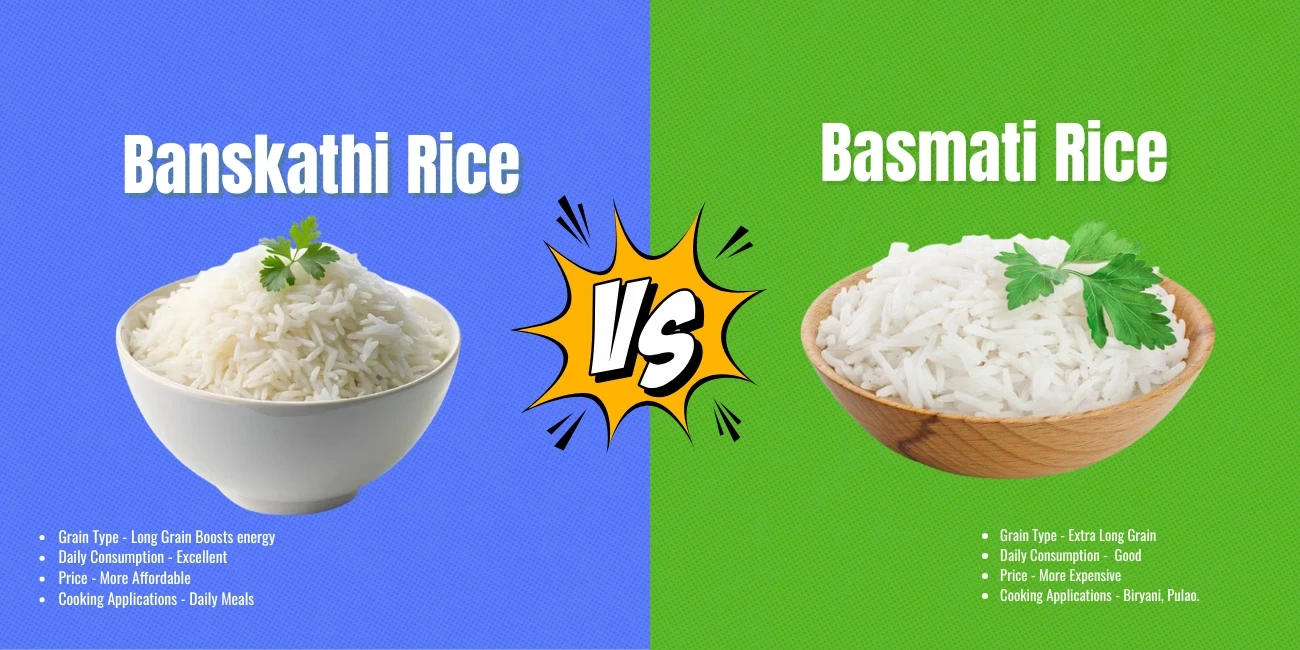
Banskathi Rice vs Basmati Rice: Which Is Better for Diabetes, Weight Loss, Heart Health, and Daily Consumption?
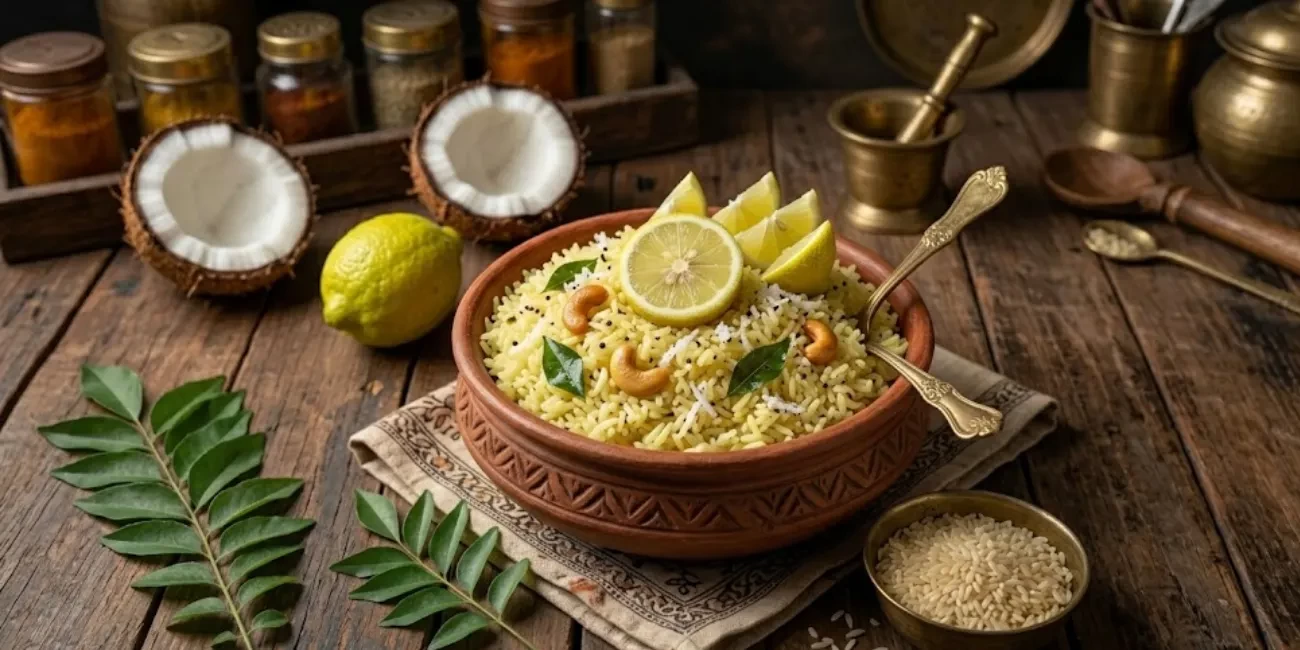
Gondhoraj Lemon Coconut Rice with Gobindobhog Rice – A Refreshing Summer Special Recipe

10 Common Rice Cooking Mistakes and How to Fix Them for Perfect Fluffy Rice!



Subscribe to our newsletter for regular updates about Offers, Coupons & more
Follow Us

Contacts
-
Address
RICE MILL & REGD. OFFICE: Krishnapur, Kukra, P.o.- Saranga, P.s.- Khandogosh, Purba Bardhaman, West Bengal - 713423
-
Phone
+91 97345 71111
-
Email
My Account
Follow Us


-
Address
RICE MILL & REGD. OFFICE: Krishnapur, Kukra, P.o.- Saranga, P.s.- Khandogosh, Purba Bardhaman, West Bengal - 713423
-
Phone
+91 97345 71111
-
Email