Banskathi Rice vs Basmati Rice: Which Is Better for Diabetes, Weight Loss, Heart Health, and Daily Consumption?
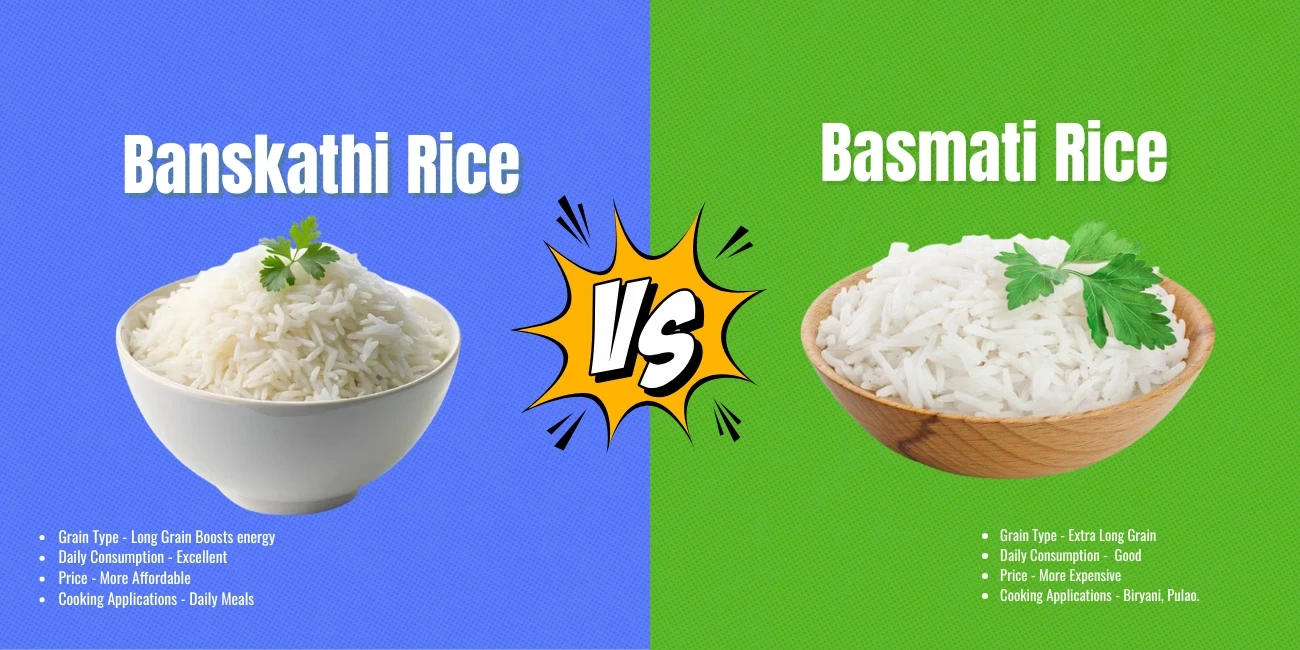
Banskathi Rice vs Basmati Rice: Which Is Better for Diabetes, Weight Loss, Heart Health, and Daily Consumption?
Rice is a staple food in millions of Indian households, but many consumers today want to know more than just taste and cooking quality. Questions such as "Which rice is better for diabetes?", "Which rice is healthier for daily consumption?" and "Can rice support weight management?" are becoming increasingly common.
Among the many rice varieties available in India, Banskathi Rice and Basmati Rice are popular choices. While Basmati is known worldwide for its long grains and premium positioning, Banskathi rice is valued by many families for its affordability, everyday usability, and satisfying texture.
In this guide, we compare Banskathi Rice vs Basmati Rice based on nutrition, diabetes-friendliness, weight management, heart health, and daily consumption.
What Is Banskathi Rice?
Banskathi rice is a long-grain rice variety commonly consumed in eastern India. It is widely used for everyday meals because of its pleasant texture, versatility, and affordability. Many households prefer Banskathi rice for regular lunch and dinner preparations due to its balanced cooking characteristics.
What Is Basmati Rice?
Basmati rice is a premium long-grain rice known for its distinct aroma and elongated grains. It is commonly used in biryani, pulao, and special dishes. Basmati rice is also popular among health-conscious consumers because some varieties have a lower glycemic index compared to many standard white rice varieties.
Banskathi Rice vs Basmati Rice: Quick Comparison
| Feature | Banskathi Rice | Basmati Rice |
| Grain Type | Long Grain | Extra Long Grain |
| Daily Consumption | Excellent | Good |
| Price | More Affordable | More Expensive |
| Cooking Applications | Daily Meals | Biryani, Pulao, Daily Meals |
| Global Popularity | Regional | International |
| Diabetes Research Availability | Limited | More Available |
Which Rice Is Better for Diabetes?
One of the most searched questions online is: "Which rice is best for diabetics?"
Scientific studies have shown that certain varieties of basmati rice may have a lower glycemic index than many traditional white rice varieties. A lower glycemic index means blood sugar may rise more gradually after eating.
However, there is limited published research specifically measuring the glycemic index of Banskathi rice. Therefore, it would be inaccurate to claim that Banskathi rice is better or worse for diabetes than Basmati rice.
For people managing diabetes, portion size, overall diet quality, fiber intake, and physical activity are often more important than choosing a single rice variety.
Which Rice Is Better for Weight Loss?
Rice itself is not automatically linked to weight gain. Weight management depends largely on total calorie intake and lifestyle habits.
Basmati rice is often included in weight-loss diets because of its relatively lower glycemic index compared to some other white rice varieties. However, consuming moderate portions of Banskathi rice as part of a balanced diet can also fit into a healthy eating plan.
The key is portion control, adequate protein intake, vegetables, and regular exercise.
Which Rice Is Better for Heart Health?
Heart health is influenced by many factors including saturated fat intake, physical activity, blood pressure, and cholesterol levels.
Plain rice naturally contains very little fat and no cholesterol. Both Banskathi rice and Basmati rice can be part of a heart-conscious diet when consumed in appropriate portions and paired with nutritious foods such as vegetables, legumes, and lean protein sources.
There is currently no strong scientific evidence showing that Banskathi rice directly lowers cholesterol or that it performs better than Basmati rice for heart health.
Which Rice Is Better for Daily Consumption?
For everyday family meals, many consumers prioritize affordability, availability, cooking consistency, and value for money.
Banskathi rice is often preferred by households seeking a reliable rice variety for daily consumption. Its versatility makes it suitable for regular Indian meals.
Basmati rice is also suitable for daily use, but many consumers reserve it for special dishes because of its premium price.
Is Banskathi Rice a Good Alternative to Basmati Rice?
If you are looking for an affordable long-grain rice for everyday meals, Banskathi rice can be a practical alternative. While it does not offer the same premium positioning as Basmati, it provides good cooking performance and can easily fit into daily meal planning.
For consumers focused on budget-friendly family meals, Banskathi rice may offer excellent value.
Frequently Asked Questions
Is Banskathi rice good for diabetics?
People with diabetes can consume rice in moderation as part of a balanced diet. However, there is currently limited published research specifically measuring the glycemic index of Banskathi rice.
Is Basmati rice healthier than Banskathi rice?
Neither rice can be universally labeled as healthier. Individual health goals, portion size, and overall dietary patterns are more important factors.
Which rice is better for weight loss?
Weight loss depends on calorie balance and lifestyle habits. Both rice varieties can be included in a weight-management plan when consumed appropriately.
Does rice increase cholesterol?
Rice itself contains no cholesterol. Cholesterol levels are influenced by overall dietary habits and lifestyle factors.
Final Verdict
When comparing Banskathi Rice vs Basmati Rice for diabetes, weight loss, heart health, and daily consumption, there is no single winner for everyone.
Basmati rice benefits from greater scientific research regarding glycemic index and blood sugar response. Banskathi rice, on the other hand, offers affordability, convenience, and suitability for everyday family meals.
For most households, the best choice depends on personal preferences, budget, meal planning needs, and dietary goals. Both rice varieties can be part of a balanced and healthy diet when consumed in appropriate portions.
Recent Posts

Best Way to Store Rice During Monsoon: 7 Tips to Prevent Moisture and Rice Insects
Banskathi Rice vs Basmati Rice: Which Is Better for Diabetes, Weight Loss, Heart Health, and Daily Consumption?
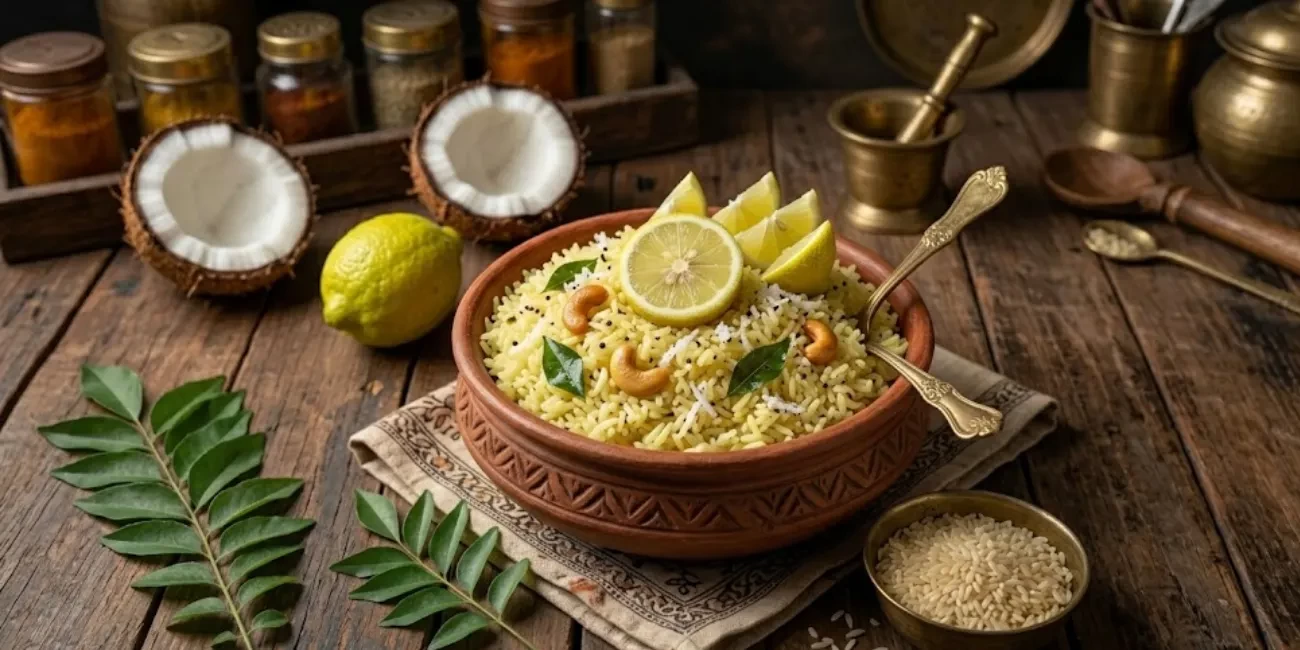
Gondhoraj Lemon Coconut Rice with Gobindobhog Rice – A Refreshing Summer Special Recipe

10 Common Rice Cooking Mistakes and How to Fix Them for Perfect Fluffy Rice!

Subscribe to our newsletter for regular updates about Offers, Coupons & more
Follow Us

Contacts
-
Address
RICE MILL & REGD. OFFICE: Krishnapur, Kukra, P.o.- Saranga, P.s.- Khandogosh, Purba Bardhaman, West Bengal - 713423
-
Phone
+91 97345 71111
-
Email
My Account
Follow Us


-
Address
RICE MILL & REGD. OFFICE: Krishnapur, Kukra, P.o.- Saranga, P.s.- Khandogosh, Purba Bardhaman, West Bengal - 713423
-
Phone
+91 97345 71111
-
Email